Want to boost your email marketing results and stay ahead of your competition? One of the smartest moves you can make is to learn exactly what your competitors are doing with their email campaigns.
But how do you get a clear view of their strategies without spending endless hours or guessing? You’ll discover simple, effective ways to check your competitors’ email marketing. You’ll learn how to uncover the secrets behind their subject lines, content, timing, and even the tools they use.
By the time you finish reading, you’ll have actionable insights that can transform your own email efforts and help you win more customers. Ready to unlock the power of competitor email analysis? Let’s dive in.
Credit: edited.com
Tracking Competitor Emails
Tracking competitor emails is an essential step in understanding their marketing strategies. It helps identify what works and what doesn’t in your niche. By observing their email content, frequency, and timing, you gain insights to improve your own campaigns.
This process involves more than just receiving emails. It requires careful analysis and the right tools to capture valuable data. Below are practical ways to track your competitor’s email marketing efforts effectively.
Signing Up For Newsletters
Subscribe to your competitor’s newsletters using a separate email address. This method gives direct access to their email campaigns. Observe the design, subject lines, offers, and calls to action. Notice how they engage with their audience and build trust.
Keep track of the types of content they send. Look for patterns in promotions, educational content, or product updates. This hands-on approach provides real examples to learn from and adapt.
Using Email Monitoring Tools
Email monitoring tools automate the process of collecting competitor emails. These tools capture every email sent from your competitor’s domain. They organize emails in a dashboard for easy review and comparison.
Some popular tools offer analytics on subject lines, send times, and email length. They also track how often competitors send emails. This data helps spot trends and gaps in their strategies. Use these insights to refine your email marketing plan.
Analyzing Email Frequency And Timing
Tracking how often competitors send emails reveals their communication strategy. Frequent emails can mean aggressive marketing. Infrequent emails might suggest a focus on quality over quantity.
Timing matters too. Note the days and hours competitors send their emails. This can indicate when their audience is most active. Adjust your email schedule based on these findings to improve open rates and engagement.
Tools For Email Monitoring
Tracking competitors’ email marketing helps you learn their strategies. Email monitoring tools collect and analyze competitor campaigns. These tools show you email frequency, design, and content trends. Using them improves your own campaigns and keeps you updated.
Sendview Features
SendView tracks your competitors’ email campaigns in real time. It shows the email schedule and spam score. You can see which email service providers they use. The tool displays the content calendar and technology stack. This helps you understand their marketing approach clearly.
Owletter Capabilities
Owletter automatically captures emails from competitor websites. It stores and organizes all received emails. The tool analyzes subject lines and sending patterns. You get insights into their email timing and frequency. Owletter helps spot trends and adjust your strategy.
Mailcharts Insights
MailCharts offers detailed competitor email campaign data. It reveals creative elements and messaging styles. You can compare offers and promotions side-by-side. The platform tracks changes in campaign strategies over time. This information supports informed marketing decisions.
Free Monitoring Options
Free tools provide basic competitor email insights without cost. You can sign up for competitor newsletters manually. Services like MailTester check email validity and reputation. Basic email clients also allow tracking of email frequency. These options suit small businesses on a budget.
Analyzing Email Content
Analyzing email content is a key step to understand competitors’ strategies. It reveals what works and what does not in their campaigns. Careful review of their emails helps you improve your own marketing efforts. Focus on key elements like subject lines, calls-to-action, design, and personalization.
Subject Lines And Open Rates
Subject lines grab attention and boost open rates. Study competitors’ subject lines for style and length. Notice if they use questions, numbers, or urgency. Track open rates through tools or reports to see which lines perform best. This insight helps craft your own effective subject lines.
Call-to-actions And Offers
Calls-to-action (CTAs) guide readers to act. Analyze where competitors place CTAs and their wording. Look for strong verbs and clear instructions. Check the type of offers given, like discounts or freebies. Understand what motivates their audience to respond.
Design And Usability
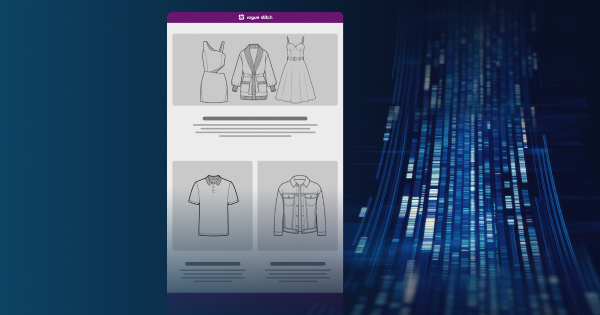
Email design affects readability and engagement. Examine competitors’ layout, colors, and images. Note if their emails are mobile-friendly and load quickly. See how easy it is to navigate and click links. Good design keeps readers interested and lowers bounce rates.
Personalization Techniques
Personalization makes emails feel relevant and unique. Watch for use of names, locations, or past purchases. Observe if emails change based on user behavior or preferences. Personalized emails often have higher engagement and conversion rates. Learn how competitors tailor messages to their audience.

Credit: competitors.app
Studying Email Strategy
Studying your competitors’ email strategy reveals key insights. Understanding their approach helps improve your own campaigns. Focus on how often they send emails, who they target, and the tools they use.
Analyzing these elements can improve your email marketing results. It also highlights gaps you can fill in your market.
Campaign Frequency And Schedule
Track how often competitors send emails. Note the days and times they choose. Consistency builds audience expectation. Pay attention to seasonal spikes or special promotions. This data helps plan your own sending calendar.
Segmentation And Targeting
Look for signs of audience segmentation in emails. Different messages for different groups show smart targeting. Observe personalized content or offers. Segmentation improves engagement and reduces unsubscribes. Use these clues to refine your lists.
Automation And Triggers
Identify automated emails like welcome series or cart reminders. These show how competitors keep customers engaged automatically. Automation saves time and nurtures leads. Understanding their triggers helps create your own workflows.
Spam Score And Deliverability
Check competitors’ spam scores using online tools. High scores mean poor deliverability and low open rates. Analyze their email design and content for spam triggers. Maintaining a low spam score ensures messages reach inboxes.
Benchmarking Your Campaigns
Benchmarking your email marketing campaigns helps measure your success against competitors. It reveals what works well and what needs improvement. This process guides smarter decisions and improves your email strategy.
Use competitor insights to set realistic goals and track progress. Understanding metrics and tactics from others in your industry gives you a clear view of your position.
Comparing Metrics
Start by collecting key metrics from your campaigns and competitors’. Look at open rates, click-through rates, and conversion rates. These numbers show how engaged your audience is compared to others.
Analyze frequency and timing of emails. Notice differences in subject lines and call-to-action performance. Comparing these details helps you spot trends and patterns to refine your approach.
Identifying Strengths And Gaps
Benchmarking reveals where your campaigns excel and where they fall short. Identify areas where competitors perform better. This could be design, content, or personalization.
Find gaps in your strategy by studying competitor weaknesses too. Use this info to create unique offers or improve email relevance. Filling these gaps improves your competitive edge.
Adapting Best Practices
Adopt successful tactics used by your competitors. This includes subject line styles, sending times, or segmentation methods. Tailor these practices to fit your brand voice and audience.
Applying proven strategies reduces guesswork and speeds up growth. Keep testing new ideas inspired by competitors to stay current and effective.
Testing And Optimization
Use competitor insights to design tests for your emails. A/B test subject lines, content, and send times to find what works best. Continuous testing improves email performance over time.
Optimize based on test results and competitor benchmarks. Regular review of data keeps your campaigns sharp and aligned with audience preferences. This leads to higher engagement and conversions.
Ethical Considerations
Checking your competitors’ email marketing can provide valuable insights. Ethical considerations must guide this process. Respecting privacy, avoiding spam traps, and complying with laws keep your efforts fair. These steps protect your reputation and build trust with your audience.
Respecting Privacy
Do not access or use competitor emails without permission. Avoid collecting personal data illegally. Use only information shared publicly or through legitimate sign-ups. Treat subscriber data with care to honor privacy rights. Respecting privacy shows professionalism and integrity.
Avoiding Spam Traps
Spam traps can harm your email sender reputation. Do not purchase email lists or use shady sources. Focus on organic and ethical ways to gather competitor emails. Verify email addresses before using them in campaigns. Staying clear of spam traps ensures your emails reach the inbox.
Compliance With Laws
Follow email marketing laws like CAN-SPAM and GDPR strictly. Obtain consent before sending marketing emails. Include clear unsubscribe options in your messages. Keep accurate records of email permissions. Compliance prevents legal issues and maintains trust with your customers.
Credit: www.hostpapa.com
Frequently Asked Questions
How Can I Track Competitors’ Email Campaigns Effectively?
Sign up for competitors’ newsletters to receive their emails directly. Use tools like Owletter or SendView to automate email capture and analysis. Monitor frequency, content, and design to understand their strategy and improve your campaigns.
What Tools Help Analyze Competitors’ Email Marketing?
Tools like Owletter, SendView, MailCharts, and Panoramata provide insights into competitors’ email frequency, content, and engagement. These platforms track and archive competitor emails, helping you benchmark and enhance your email marketing tactics.
Why Analyze Competitors’ Email Marketing Campaigns?
Analyzing competitors’ emails reveals industry trends, content strategies, and customer engagement tactics. This helps you identify gaps, improve your messaging, and stay competitive in your email marketing efforts.
Can I Check Competitors’ Email Templates For Free?
Yes, by subscribing to their newsletters and using free trials of tools like Owletter or MailCharts, you can access and analyze competitors’ email templates without cost.
Conclusion
Checking your competitors’ email marketing helps you learn what works well. Study their newsletters to see ideas and strategies in action. Pay attention to subject lines, design, and offers they use. Use tools and manual tracking to stay updated regularly.
This knowledge guides you to improve your own campaigns smartly. Keep watching and adapting to stay competitive and connect better with your audience. Consistent effort makes your email marketing stronger over time.