Are you ready to take control of your work life and enjoy the freedom of working from anywhere? Becoming a virtual assistant might be the perfect path for you.
Imagine managing tasks, organizing schedules, and supporting clients—all from the comfort of your own home or a cozy coffee shop in Austin, Texas. But how do you get started? What skills do you really need, and how can you stand out in this growing field?
Keep reading, and you’ll discover the clear, simple steps to launch your career as a successful virtual assistant. Your future of flexible, rewarding work is just a few clicks away.
_.jpg)
Credit: mytasker.com
Virtual Assistant Skills
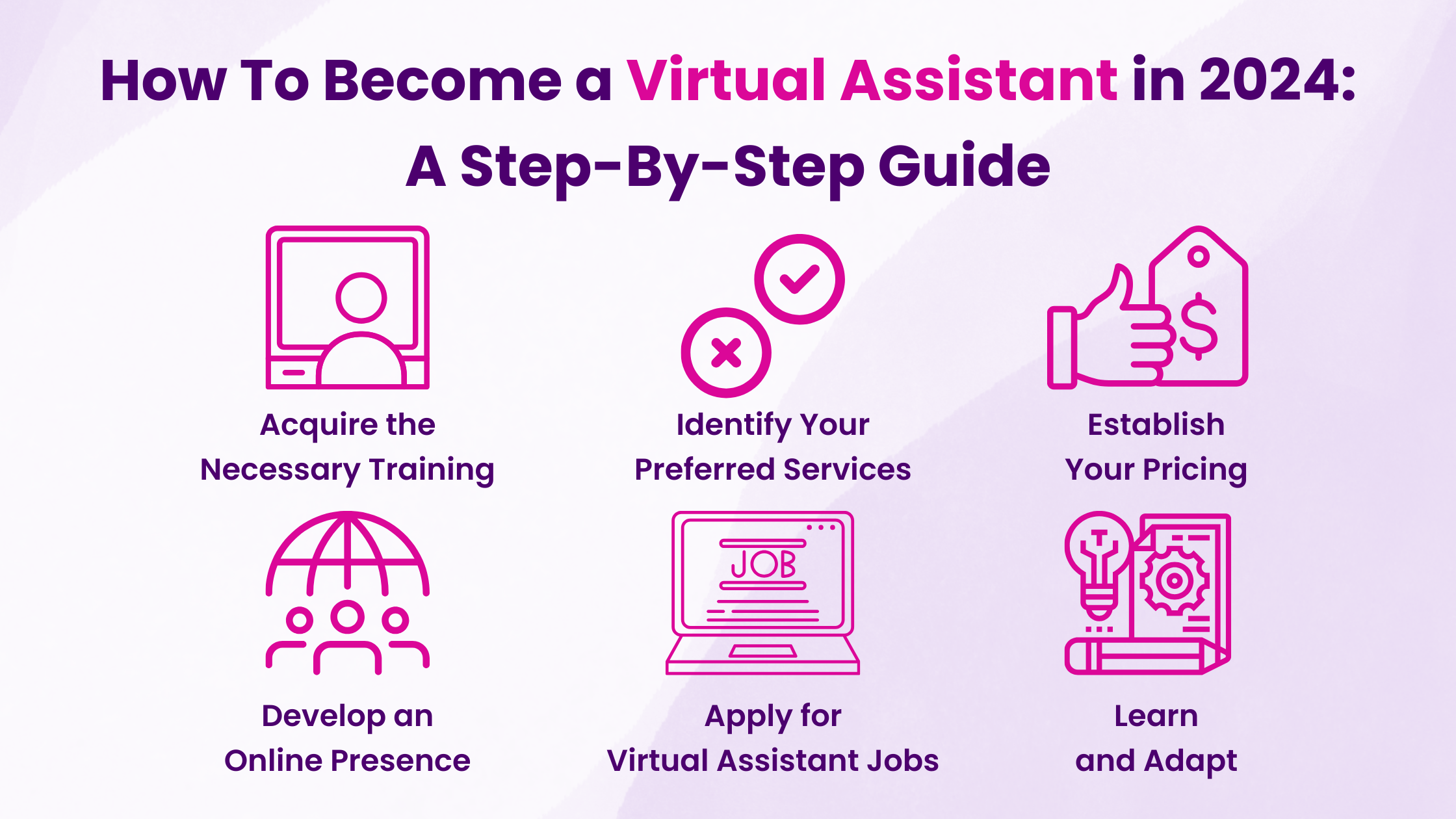
Virtual assistant skills form the foundation for success in this remote role. Employers seek candidates who communicate clearly, stay organized, and manage time well. These skills help virtual assistants handle tasks efficiently and build trust with clients. Developing strong soft skills also makes adapting to new challenges easier. Below are key skills every virtual assistant should master.
Communication Essentials
Clear communication is vital for virtual assistants. They must write emails that are easy to understand. Speaking skills matter for calls and video meetings. Listening carefully helps catch client needs accurately. Good communication prevents mistakes and builds strong client relationships.
Organization And Time Management
Virtual assistants juggle many tasks daily. Staying organized keeps work on track. Using calendars and to-do lists helps meet deadlines. Prioritizing tasks ensures important jobs get done first. Time management skills reduce stress and improve productivity.
Self-motivation And Reliability
Working from home requires self-motivation. Virtual assistants must start tasks without reminders. Showing reliability builds client confidence. Meeting deadlines and following instructions are key. Dependable assistants often earn long-term contracts.
Adaptability And Problem-solving
Clients’ needs often change quickly. Virtual assistants must adapt to new tools and tasks. Problem-solving skills help handle unexpected issues. Being resourceful saves time and avoids delays. Flexibility makes virtual assistants valuable team members.
Credit: insidea.com
Technical Tools To Master
Technical tools form the foundation of a virtual assistant’s daily work. Learning these tools helps you complete tasks efficiently and meet client expectations. Each tool serves a specific purpose, from managing documents to communicating with clients. Focus on building skills in these key areas to improve your workflow and productivity.
Office Suites
Office suites include software like Google Workspace and Microsoft Office. These tools help create, edit, and share documents, spreadsheets, and presentations. Knowing how to use Google Docs, Sheets, and Slides or Microsoft Word, Excel, and PowerPoint is essential. They also include calendar apps to schedule meetings and deadlines.
Communication Platforms
Communication is key in virtual assistance. Platforms like email, Slack, and Zoom allow smooth interaction with clients and teams. Learn to manage inboxes, set filters, and organize messages. Video calls and instant messaging help maintain clear and timely communication.
Cloud Storage And File Sharing
Cloud storage services like Google Drive and Dropbox store files online. These tools let you share documents safely and access them from anywhere. Understanding file organization and sharing permissions is crucial. It keeps client data secure and easy to find.
Project Management Software
Project management tools such as Trello, Asana, and ClickUp help track tasks and deadlines. They organize work into boards, lists, and calendars. Using these tools improves task management and keeps projects on schedule. Clients appreciate clear progress updates.
Social Media Basics
Virtual assistants often handle social media tasks. Learn to schedule posts, respond to comments, and monitor engagement. Basic knowledge of platforms like Facebook, Instagram, and Twitter is helpful. These skills support marketing and client branding efforts.
Bookkeeping And Crm
Basic bookkeeping involves managing invoices and expenses. Tools like QuickBooks or Wave simplify financial tracking. Customer Relationship Management (CRM) software, such as Mailchimp or HubSpot, helps organize client contacts and communication. These tools keep business operations smooth and professional.
Setting Up Your Workspace
Setting up a proper workspace is a key step to becoming a successful virtual assistant. A well-organized area helps you stay focused and work efficiently. It separates your job from home life and creates a professional environment for your tasks. This section covers how to create your home office, the hardware you need, and the education and training to prepare you for the role.
Creating A Home Office
Choose a quiet spot with minimal distractions. Use a comfortable chair and a desk at the right height. Good lighting reduces eye strain and boosts productivity. Keep your workspace tidy and organized. Store supplies and documents within easy reach. This setup keeps you focused and ready to handle tasks smoothly.
Essential Hardware
A reliable computer is the backbone of your virtual assistant work. Ensure it has enough speed and memory to run multiple apps. A good headset or microphone improves communication with clients. A high-speed internet connection is vital for video calls and file sharing. Consider a second monitor for multitasking. Backup drives or cloud storage protect your important files.
Education And Training
Learn the software tools used by virtual assistants. Practice Google Workspace and Microsoft Office regularly. Explore project management apps like Trello or Asana. Take online courses for virtual assistant skills and communication. Join virtual assistant communities for support and advice. Continuous learning keeps your skills sharp and relevant.
Finding Your Niche
Finding your niche is a key step to become a successful virtual assistant. It helps you stand out and attract the right clients. Picking a niche means focusing on services that match your skills and interests. This focus makes your work clearer and more valuable.
Choosing the right niche saves time and effort. It lets you build expertise in one area. Clients prefer specialists who understand their specific needs. A clear niche also allows better marketing and pricing of your services.
Specializing In Services
Choose services you enjoy and do well. Common options include email management, social media, or bookkeeping. Specializing helps you become an expert faster. Clients trust specialists more than generalists. Start by listing your strengths and interests. Match them with what clients often need. Focus on a few services before expanding later.
Learning Emerging Tools
Technology changes fast in virtual assistance. New tools appear to make work easier. Learn popular platforms like Trello, Asana, or Slack. These tools improve communication and task management. Knowing the latest software adds value to your skills. Take online tutorials or free courses to get familiar. Staying updated keeps you competitive in the market.
Building A Portfolio
Create a portfolio to show your skills and experience. Include examples of tasks you have completed well. Use real projects or sample work if new. A strong portfolio builds client trust and confidence. Keep it simple and easy to understand. Update it regularly with new achievements. A good portfolio is your best marketing tool.
Starting Your Virtual Assistant Career
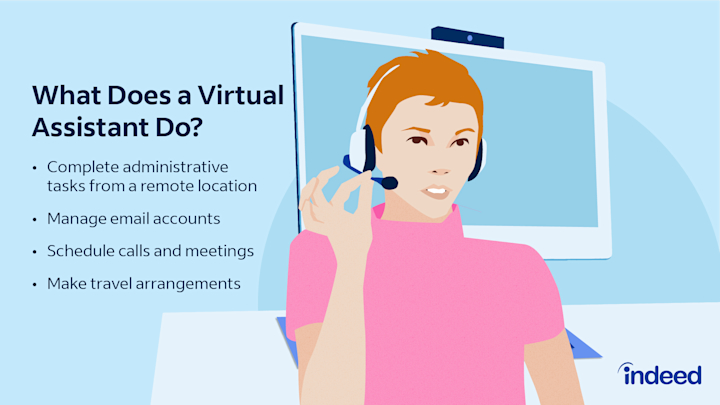
Starting your virtual assistant career requires clear planning and practical steps. You must know where to find clients, how to set your rates, and manage your workload. Building a strong foundation helps you succeed in this flexible job.
Where To Find Clients
Begin by exploring online job platforms like Upwork and Fiverr. Join Facebook groups for virtual assistants and small business owners. Network on LinkedIn to connect with potential clients. Attend virtual events or webinars related to your skills. Cold emailing local businesses can also bring opportunities.
Setting Rates And Packages
Research the average rates for virtual assistants with your skills. Decide if you want to charge hourly or offer fixed packages. Consider creating tiered packages with different service levels. Be clear about what each package includes. Adjust your rates as you gain experience and testimonials.
Managing Multiple Clients
Use tools like Trello or Asana to track tasks and deadlines. Set clear schedules and communicate availability to each client. Prioritize urgent tasks to avoid missing deadlines. Keep detailed records of work and payments. Learn to say no when your workload is full to maintain quality.
Credit: www.indeed.com
Growing And Succeeding
Growing and succeeding as a virtual assistant takes effort and smart strategies. It means building your skills, connecting with others, and always seeking ways to improve. This journey helps you stand out and gain trust from clients. Focus on learning, networking, and using feedback to reach your goals.
Continuous Learning
Keep updating your skills regularly. Technology and tools change fast. Learn new software that clients use. Take online courses to improve your abilities. Reading blogs and watching tutorials helps too. This keeps you confident and ready for different tasks.
Networking And Community
Build relationships with other virtual assistants. Join online groups and forums. Share tips and ask questions. Networking opens doors to new clients and jobs. Being part of a community offers support and advice. It also helps you stay motivated and informed.
Using Feedback To Improve
Listen carefully to client feedback. It shows what you do well and what needs work. Use criticism as a chance to grow. Make changes based on suggestions. This builds your reputation and trust. Happy clients often lead to more work and referrals.
Frequently Asked Questions
What Qualifications Do I Need To Be A Virtual Assistant?
To be a virtual assistant, develop strong communication, organization, and time management skills. Gain proficiency in Google Workspace, MS Office, email, and project management tools. Reliable internet, a quiet workspace, and self-motivation are essential. Relevant experience or certifications improve opportunities.
How Do I Become A Virtual Assistant With No Experience?
Start by learning essential tech tools like Google Workspace and project management software. Develop strong communication, organization, and time management skills. Create a dedicated workspace and reliable internet setup. Build a portfolio with sample tasks. Apply for entry-level VA jobs and continuously improve your skills through online courses.
How Much Does A Virtual Assistant Salary?
Virtual assistant salaries range from $15 to $40 per hour, depending on skills, experience, and location. Entry-level VAs earn less, while specialists command higher rates. Many work freelance, setting their own prices. Demand for virtual assistants continues to grow with remote work trends.
What Qualifications Do You Need To Be A Va?
To be a VA, you need strong communication, organization, time management, and tech skills. Proficiency in Google Workspace, MS Office, email, and project management tools is essential. A reliable computer, fast internet, and a quiet workspace also matter. No specific degree is required, but experience helps.
Conclusion
Becoming a virtual assistant takes practice and patience. Focus on building strong communication and tech skills. Stay organized and manage your time well every day. Keep learning new tools and adapt to changes quickly. Create a quiet workspace with reliable internet to work efficiently.
Specializing in a niche can help you attract more clients. Remember, consistency and reliability matter most for success. Start small, grow your skills, and build your reputation steadily. This path offers flexibility and opportunities for many people. Take the first step and keep moving forward.