Are you struggling to craft marketing emails that actually get opened and clicked? You’re not alone.
Writing emails that grab attention and inspire action isn’t just about what you say—it’s about how you say it. Imagine turning your email list into a powerful tool that builds trust, boosts sales, and keeps your audience coming back for more.
In this guide, you’ll discover simple, proven techniques to write marketing emails that speak directly to your readers’ needs and desires. Ready to transform your email game and see real results? Let’s dive in.
Crafting Engaging Subject Lines
Subject lines play a key role in marketing emails. They are the first thing readers see. A strong subject line can grab attention and boost open rates. Crafting engaging subject lines takes creativity and strategy. The goal is to make readers curious and eager to know more.
Using Curiosity To Increase Opens
Curiosity makes people want to open emails. A subject line that teases information works well. Avoid giving all details away. Use questions or hints to spark interest. For example, “You won’t believe what’s inside” invites clicks. Curiosity encourages readers to explore your message.
Incorporating Personalization
Personalization connects directly with the reader. Using names or locations can make emails feel special. Example: “John, here’s a deal just for you.” Personal touches show care and attention. They help build trust and increase email opens. Personalization makes your message stand out in crowded inboxes.
Keeping It Short And Clear
Short subject lines are easier to read. Clear language avoids confusion. Aim for 5 to 7 words. Readers scan quickly, so be concise. Avoid jargon or complex words. A simple subject line like “Save 20% today” gets the message across fast. Clear and brief subject lines improve open rates.
Writing Persuasive Email Body
The email body plays a key role in convincing readers to take action. Writing persuasive content keeps readers interested and guides them toward your goal. Every word should add value and keep the message clear. The structure must be simple and easy to follow.
Focus on the reader’s needs and emotions. Use language that feels natural and direct. Avoid long paragraphs that can overwhelm. Instead, break down ideas into short, digestible sentences. This approach improves readability and engagement.
Starting With A Strong Hook
Begin with a sentence that grabs attention immediately. Ask a question or state a surprising fact. Make it relevant to the reader’s interests or problems. A strong hook encourages readers to continue reading. Avoid vague or generic openings that lose interest fast.
Maintaining Concise And Focused Content
Keep the message clear and to the point. Remove unnecessary words or details. Focus on one main idea per paragraph. Short sentences help readers understand quickly. Use bullet points or lists to highlight key benefits. This keeps the email easy to scan and digest.
Using Storytelling Techniques
Stories create emotional connections and make content memorable. Share a brief story related to your product or service. Use simple characters and clear situations. Show how the story solves a problem or improves life. This method makes your message more relatable and persuasive.
Incorporating Visuals Effectively
Use images or graphics that support your message. Choose visuals that explain or enhance the text. Avoid clutter or too many pictures that distract readers. Keep file sizes small for fast loading. Alt text helps readers who cannot see images. Visuals break up text and keep the email appealing.
Designing For Readability
Designing marketing emails for readability improves how readers engage. Clear design guides readers to your message without confusion. Simple layouts and clean formatting make emails easier to scan. This helps readers find key points quickly. An email that is easy to read keeps readers interested longer.
Focus on making your emails visually balanced and user-friendly. This includes format consistency, text and image balance, and mobile optimization. Each element plays a role in keeping readers focused on your content.
Choosing Simple And Consistent Formats
Use a clean layout with consistent fonts and colors. Stick to one or two fonts to avoid clutter. Align text neatly with enough spacing between paragraphs. Consistent formats help readers know where to look next. Avoid too many style changes that distract from your message.
Balancing Image-to-text Ratio
Images catch attention but should not overwhelm the text. Keep a good balance to support your message. Use images that add value or explain the content. Too many images may slow down loading and confuse readers. Aim for about 60% text and 40% images for best results.
Optimizing For Mobile Devices
Most people read emails on phones. Make sure your email looks good on small screens. Use large fonts and buttons that are easy to tap. Avoid wide layouts that require horizontal scrolling. Test your emails on different devices to ensure readability everywhere.

Credit: expresswriters.com
Creating Clear Calls To Action
Clear calls to action (CTAs) guide readers toward the next step. They help turn interest into action. Good CTAs make your marketing emails effective and easy to follow.
Using Actionable Language
Use verbs that tell readers exactly what to do. Words like “Download,” “Subscribe,” or “Shop” create urgency. Avoid vague phrases like “Click here” without context. Make the action simple and direct. This encourages readers to respond quickly.
Placing Ctas Strategically
Put CTAs where readers can easily find them. Place one near the start for busy readers. Add another after key information or benefits. Use buttons or links that stand out visually. Keep the layout clean so CTAs don’t get lost. Multiple CTAs work if spaced well and not overwhelming.
Testing Different Cta Styles
Try different colors, sizes, and wording for CTAs. Test to see what gets the best clicks. Change one element at a time for clear results. Track which style fits your audience best. Small changes can improve your email’s performance a lot.
Segmenting And Personalizing Lists
Segmenting and personalizing email lists makes marketing emails more effective. It helps deliver the right message to the right people. This approach increases engagement and builds stronger connections with subscribers. Proper segmentation and personalization improve open rates and click-throughs. They make readers feel valued and understood.
Grouping Subscribers By Behavior
Group your subscribers based on their actions. Look at what emails they open or links they click. Track purchase history and website visits. These behaviors reveal their interests and needs. Use this data to create smaller, targeted groups. Behavioral groups get emails that fit their preferences better.
Tailoring Content To Audience Segments
Create email content for each specific group. Focus on topics and offers that match their interests. Use language and tone that speak directly to each segment. Personal messages feel more relevant and engaging. Tailored content increases the chance subscribers will take action.
Leveraging Dynamic Content Blocks
Use dynamic content blocks to show different content in one email. These blocks change based on the subscriber’s segment or behavior. It allows sending one email with personalized sections. Dynamic content saves time and keeps messages relevant. It makes every email feel custom-made for each reader.
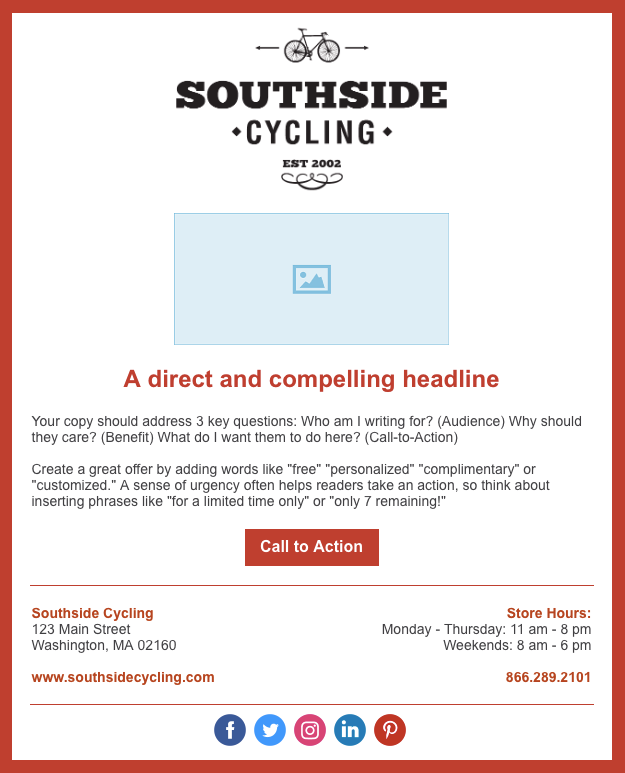
Credit: www.constantcontact.com
Timing And Frequency Strategies
Timing and frequency play a big role in the success of marketing emails. Sending emails at the right time helps reach more readers and boosts engagement. Finding the best balance in how often you send emails keeps your audience interested. Too many emails can annoy people, while too few might lose their attention. Using automation tools can help send emails exactly when needed without extra work.
Choosing Optimal Send Times
Pick times when your audience is most active. Early mornings and late afternoons often work well. Weekdays usually get better responses than weekends. Test different days and hours to see when your emails get the most opens. Adjust your schedule based on these results. Time zones matter if your list is global. Segment your list to send emails at local times for each group.
Balancing Email Frequency To Avoid Fatigue
Send emails often enough to stay on readers’ minds. Avoid sending too many emails that cause fatigue. Too many messages lead to unsubscribes and lower engagement. Find a steady rhythm that your audience accepts. One or two emails per week is a good start. Monitor how readers react and change frequency if needed. Always give clear options to unsubscribe or manage preferences.
Using Automation For Timely Follow-ups
Automation helps send follow-up emails at the right moments. Set triggers based on user actions like clicks or sign-ups. Send reminder emails to those who didn’t open or respond. Personalized follow-ups increase chances of conversions. Automation saves time and keeps your email flow consistent. Use it to nurture leads without overwhelming your audience.
Testing And Analyzing Performance
Testing and analyzing performance is key to improving your marketing emails. It shows what works and what needs change. Small tests help you learn about your audience. Careful analysis guides better decisions. This leads to higher engagement and more success.
A/b Testing Subject Lines And Content
A/B testing means sending two versions of an email. One version has a different subject line or content. This reveals which option your readers prefer. Test one element at a time. For example, try two subject lines or two call-to-action buttons. Compare results to see which email gets better reactions. Use this data to improve future emails.
Tracking Open And Click-through Rates
Open rate shows how many people open your email. Click-through rate measures how many click on links inside. These numbers reveal email effectiveness. Track these rates for every campaign. Low open rates may mean weak subject lines. Low click rates suggest unclear or uninteresting content. Use this information to make emails more appealing and engaging.
Using Feedback To Refine Campaigns
Feedback comes from surveys, replies, or behavior tracking. It helps understand your audience’s needs. Listen to what readers say and do. Adjust email content, timing, and frequency based on feedback. This makes your emails more relevant and useful. Continuous refinement builds stronger connections with your audience.
Avoiding Spam Triggers
Avoiding spam triggers is crucial for successful marketing emails. Emails caught in spam filters never reach the inbox. This lowers your open rates and wastes effort. Understanding how spam filters work helps you write better emails. Simple steps can keep your messages clear of spam folders. Focus on clean lists, proper etiquette, and legal rules.
Maintaining Clean Email Lists
Use only emails from people who want your messages. Remove inactive or incorrect addresses regularly. This reduces bounce rates and spam complaints. Clean lists improve your sender reputation. Avoid buying email lists, as they often contain spam traps. Always ask for permission before adding new contacts.
Following Email Etiquette
Write clear and honest subject lines without exaggeration. Avoid using all capital letters or too many symbols. Personalize emails by using the recipient’s name. Keep your message simple and relevant. Provide an easy way to unsubscribe in every email. Respect recipients’ time and preferences.
Complying With Legal Regulations
Follow laws like CAN-SPAM or GDPR depending on your audience. Include your physical address in every email. Get explicit consent before sending marketing messages. Honor unsubscribe requests promptly without delay. Keep records of consent to protect your business. Compliance builds trust and reduces legal risks.
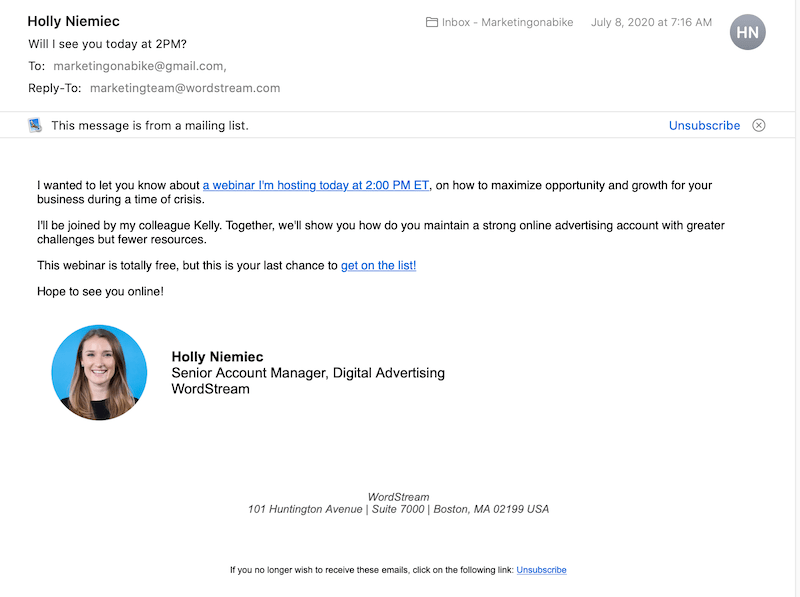
Credit: www.wordstream.com
Frequently Asked Questions
What Is The 80 20 Rule In Email Marketing?
The 80/20 rule in email marketing means 80% of emails provide value, while 20% promote products or services. This balance builds trust and drives sales effectively.
What Are The 5 C’s Of Email?
The 5 C’s of email are Clear, Concise, Correct, Courteous, and Complete. They ensure effective and professional communication.
What Is The 60 40 Rule In Email?
The 60/40 rule in email means 60% of content should be valuable information and 40% promotional material. This balance keeps readers engaged and improves campaign effectiveness.
What Is The 3 Email Rule?
The 3 email rule suggests sending up to three follow-up emails to engage prospects without overwhelming them. It balances persistence and respect.
Conclusion
Writing effective marketing emails takes practice and clear focus. Keep your message simple and direct. Use friendly language that your readers easily understand. A strong subject line can boost your open rates. Always include a clear call to action. Test different approaches to see what works best.
Remember, consistency helps build trust over time. By following these tips, your emails will connect better with your audience. Start small, learn, and improve with each email you send. Success comes from clear, honest communication.