Managing payroll can feel overwhelming, but understanding what payroll management really means can simplify it for you. Payroll management is all about making sure every employee gets paid accurately and on time, while keeping your business compliant with tax laws and regulations.
If you want to avoid costly mistakes, stay organized, and keep your employees happy, mastering payroll management is essential. You’ll discover exactly what payroll management involves and why it matters to your business success. Keep reading to take control of your payroll process with confidence.
Payroll Management Basics
Payroll management is a crucial part of running any business. It involves organizing employee payments, calculating wages, and handling taxes. Proper payroll management ensures employees receive their pay on time and helps companies follow laws and regulations. Understanding the basics sets a strong foundation for smooth payroll operations.
Role Of A Payroll Manager
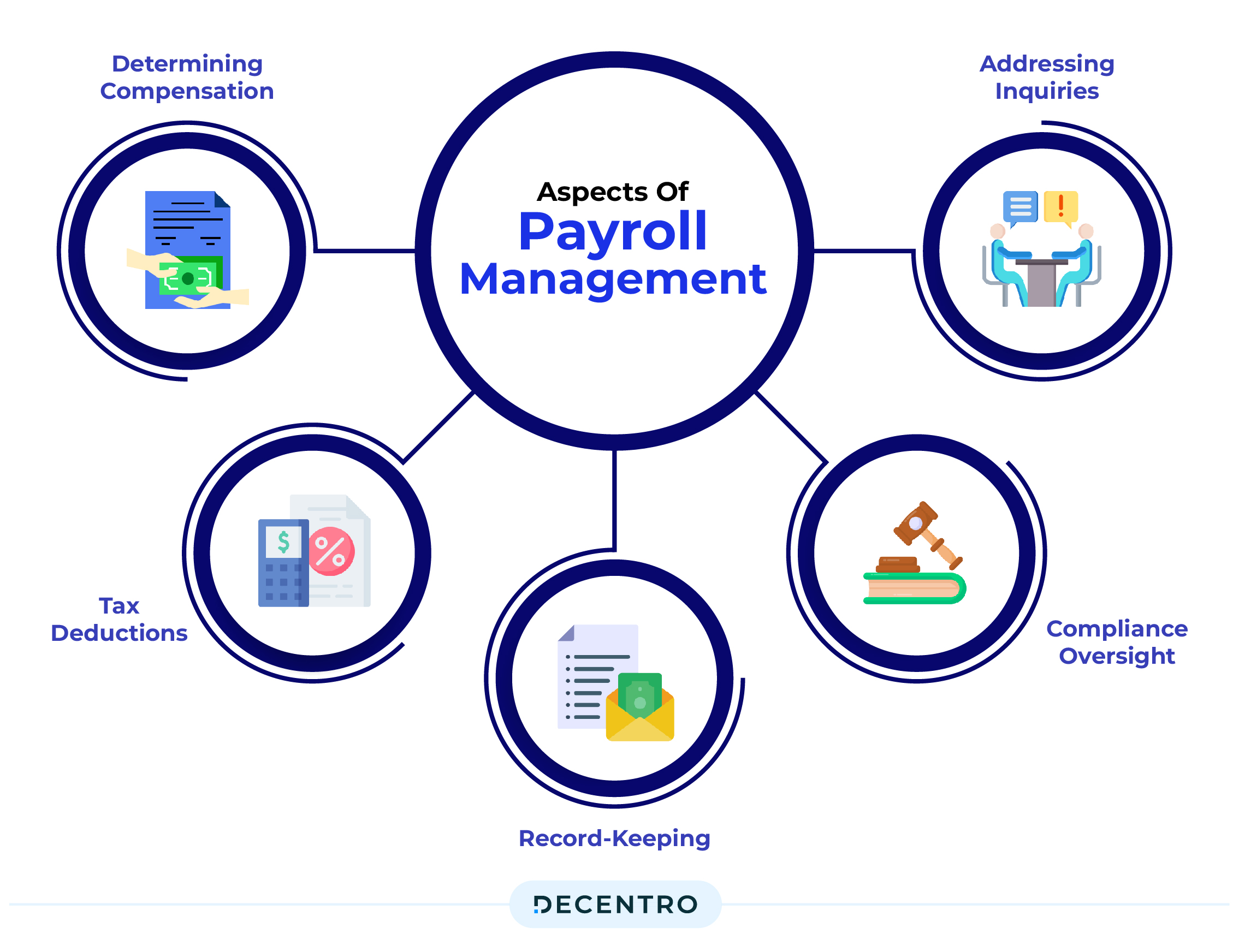
A payroll manager oversees the entire payroll process. They make sure employees get paid accurately and on schedule. This role requires managing payroll staff and maintaining payroll systems. Payroll managers handle salary calculations, tax deductions, and benefits. They also ensure compliance with tax laws and labor regulations. Acting as a bridge, they connect finance, HR, and IT teams. Payroll managers prepare reports and manage audits. They solve pay-related issues and respond to employee questions. This role demands strong organization, attention to detail, and confidentiality.
Key Payroll Terms
Understanding payroll requires knowing key terms. Gross Pay is the total salary before deductions. Net Pay is the amount employees take home after taxes and deductions. Deductions include taxes, insurance, and retirement contributions. Withholding refers to the tax amounts taken from paychecks. Payroll Taxes are taxes employers must pay on employee wages. Overtime means extra pay for working beyond regular hours. Benefits cover health insurance and retirement plans. These terms help in grasping payroll operations clearly.

Credit: elearningindustry.com
Core Payroll Tasks
Core payroll tasks form the backbone of payroll management. They ensure every employee receives the correct pay on time. These tasks also handle deductions, benefits, and tax requirements. Each step must be accurate to avoid legal issues and maintain employee trust.
Salary And Wage Processing
Salary and wage processing involves calculating employee earnings. It includes regular pay, overtime, and bonuses. Payroll systems must track hours worked and pay rates. Accurate processing prevents payment errors and delays. This task requires close attention to detail and timely execution.
Deductions And Benefits Handling
Deductions cover items like health insurance, retirement plans, and loan repayments. Benefits handling manages employee perks such as paid leave and bonuses. Payroll must apply deductions correctly and update them as needed. Proper handling keeps employee records clear and payroll accurate.
Tax Withholdings And Filings
Tax withholdings involve deducting federal, state, and local taxes from paychecks. Payroll must calculate these withholdings based on current laws. Filing tax reports on time is crucial to avoid penalties. Payroll teams submit forms and payments to tax authorities regularly.
Compliance And Regulations
Payroll management involves more than just paying employees. It requires strict compliance with laws and regulations. Following these rules helps avoid fines and legal troubles. Employers must stay updated on changing laws to keep payroll accurate and lawful.
Labor Laws Impacting Payroll
Labor laws regulate wages, hours, and working conditions. These laws affect how payroll is calculated and processed. Employers must follow minimum wage, overtime, and break time rules. Compliance ensures fair pay and protects employee rights. Ignoring these laws can lead to penalties and lawsuits.
Tax Law Adherence
Payroll taxes include federal, state, and local taxes. Employers must withhold the correct amounts from employee paychecks. They also must file taxes on time with government agencies. Proper tax adherence avoids costly fines and audits. Using updated tax tables and software helps maintain accuracy.
Audit Preparation And Reporting
Payroll records must be accurate and well-organized for audits. Regular reports show payroll expenses and tax payments. Preparing for audits involves keeping detailed documentation. Clear records help resolve questions quickly and prove compliance. Proper reporting builds trust with tax authorities and employees.
Payroll Systems And Tools
Payroll systems and tools form the backbone of efficient payroll management. They help businesses process employee payments accurately and on time. These systems reduce errors and save valuable time for HR and finance teams.
Different payroll systems suit different business needs. Some companies use manual methods, while others choose software or outsourced services. Each option offers unique benefits and challenges.
Manual Payroll Processing
Manual payroll processing means calculating wages and deductions by hand. It uses spreadsheets or paper records to track employee hours and payments. This method works for very small businesses with few employees.
Manual processing is simple but prone to errors. It can take a lot of time, especially during tax season. Keeping up with changing tax laws is also difficult without automation.
Payroll Software Solutions
Payroll software automates calculations and tax filings. It stores employee data securely and generates pay slips instantly. Many software options integrate with timekeeping and accounting systems.
Software reduces mistakes and speeds up payroll tasks. It updates tax rules automatically to keep companies compliant. Small to large businesses benefit from using payroll software.
Outsourced Payroll Services
Outsourced payroll means hiring an external company to handle all payroll tasks. These providers manage salary payments, tax deductions, and regulatory reporting. They ensure compliance with local laws.
This option frees internal teams from payroll duties. It reduces risks of penalties due to errors or late filings. Outsourcing suits businesses wanting to focus on core activities.
Managing Payroll Data
Managing payroll data is a critical part of payroll management. It involves organizing and maintaining employee payment information to ensure accurate and timely salary disbursements. Proper handling of payroll data helps avoid errors, comply with laws, and protect sensitive information.
Payroll data includes employee hours, salary details, deductions, tax information, and benefits. Careful management of this data supports smooth payroll processing and employee satisfaction.
Data Accuracy And Integrity
Accurate payroll data prevents payment mistakes and tax issues. Each entry must be checked and verified regularly. Errors in salary or deductions can cause serious problems for employees and the company. Maintaining data integrity means keeping information consistent and reliable throughout the payroll cycle.
Timekeeping Integration
Integrating timekeeping systems with payroll ensures precise wage calculations. Automated systems track employee hours and leave, reducing manual errors. This integration speeds up payroll processing and improves data reliability. It also helps comply with labor laws on working hours and overtime.
Confidentiality And Security
Payroll data contains sensitive personal and financial information. Protecting this data is essential to avoid breaches and identity theft. Strong security measures, such as encryption and access controls, keep payroll information safe. Confidentiality builds trust between employees and employers.

Credit: www.rnmconsulting.in
Payroll Team Leadership
Payroll team leadership plays a crucial role in ensuring smooth payroll management. Leaders guide payroll staff to maintain accuracy and compliance. They create a productive and organized payroll environment. Effective leadership boosts team performance and reduces errors.
Hiring And Training Staff
Payroll leaders carefully select team members with relevant skills. They provide clear and simple training on payroll systems and processes. Training covers laws, tax rules, and company policies. Well-trained staff handle payroll tasks efficiently and with confidence.
Supervising Payroll Operations
Leaders monitor daily payroll activities for accuracy and timeliness. They check data entry, calculations, and deductions closely. Supervisors resolve discrepancies and ensure compliance with laws. Consistent supervision prevents mistakes and payroll delays.
Cross-department Collaboration
Payroll leaders work closely with HR, finance, and IT teams. They share information to keep payroll data up to date. Collaboration helps solve issues quickly and ensures smooth workflows. Strong teamwork supports accurate payroll and employee satisfaction.
Essential Payroll Skills
Essential payroll skills form the foundation of effective payroll management. These skills ensure employees receive accurate pay on time. Payroll professionals must combine technical knowledge with strong personal abilities. This mix helps handle complex payroll tasks smoothly.
Legal And Accounting Knowledge
Payroll management requires solid legal and accounting knowledge. Professionals must understand tax laws and labor regulations. This knowledge helps maintain compliance and avoid penalties. Familiarity with accounting principles ensures correct salary calculations and deductions. Staying updated on law changes is crucial for accuracy.
Organizational And Communication Skills
Good organizational skills keep payroll processes running on schedule. Payroll managers handle multiple tasks and deadlines daily. Strong communication skills help explain payroll details clearly to employees and management. Clear communication reduces confusion and builds trust. Team coordination improves with effective interaction.
Attention To Detail And Accuracy
Payroll involves handling sensitive and precise data. Attention to detail prevents errors in paychecks and tax filings. Accuracy is vital to maintain employee satisfaction and legal compliance. Mistakes can cause financial loss and damage reputation. Careful review and double-checking are key to success.
Choosing Payroll Solutions
Choosing the right payroll solution is vital for smooth business operations. It affects how employees get paid and how taxes are managed. A good system saves time and reduces errors. Consider various options carefully to find one that fits your business size and needs.
Evaluating Software Features
Look for software that handles payroll calculations automatically. It should manage taxes, benefits, and deductions easily. Check if it supports direct deposit and generates pay slips. Integration with accounting and HR tools is a plus. User-friendly interfaces help reduce training time. Security features must protect sensitive employee data.
Benefits Of Outsourcing
Outsourcing payroll shifts responsibility to experts. It reduces the risk of compliance errors with tax laws. Experts keep up with changing regulations. This approach frees up time for core business activities. Outsourcing can improve accuracy and ensure timely payments. It also reduces the need for in-house payroll staff.
Cost And Efficiency Considerations
Compare the costs of software licenses and outsourcing fees. Factor in time saved and error reduction. Small businesses might find software more affordable. Larger companies may benefit from outsourcing efficiency. Consider hidden costs like training and system updates. Choose a solution that balances cost with reliable service.
Payroll Challenges And Solutions
Payroll management faces many challenges that can disrupt smooth business operations. Errors, compliance issues, and inefficiencies can cause delays and dissatisfaction. Addressing these challenges is vital for accurate and timely employee payments. Practical solutions help businesses maintain trust and avoid penalties.
Handling Payroll Errors
Payroll errors affect employee trust and company reputation. Common mistakes include wrong pay amounts, missed bonuses, or incorrect deductions. Regular audits and double-checking payroll data reduce errors significantly. Using reliable payroll software helps catch mistakes early. Training payroll staff on attention to detail also lowers errors. Quick correction of detected errors improves employee confidence.
Staying Updated With Regulations
Payroll regulations change frequently at federal, state, and local levels. Non-compliance leads to fines and legal issues. Constant monitoring of tax laws and labor rules is necessary. Subscribing to official updates and industry newsletters keeps payroll teams informed. Automating tax calculations with updated software minimizes risks. Consulting experts ensures payroll follows all current laws.
Improving Payroll Efficiency
Manual payroll processing wastes time and increases errors. Automating payroll tasks speeds up payment cycles and reporting. Integration with timekeeping and HR systems reduces duplicate work. Clear payroll workflows and defined roles improve accuracy. Regularly reviewing payroll processes highlights areas for improvement. Efficient payroll frees resources for other important business activities.
Credit: decentro.tech
Frequently Asked Questions
What Is The Meaning Of Payroll Manager?
A payroll manager oversees employee payment processes, ensuring timely, accurate salaries and compliance with tax laws. They manage payroll staff, systems, deductions, benefits, tax filings, and resolve pay-related issues.
Is Payroll Management A Skill?
Yes, payroll management is a valuable skill involving accurate salary processing, tax compliance, data management, and effective communication.
What Are The 4 Types Of Payroll Systems?
The four types of payroll systems are manual, automated, outsourced, and hybrid. Each varies in technology use and management style.
What Are The 5 Basic Steps Of Using The Payroll System?
The five basic steps of using a payroll system are: input employee data, calculate wages and deductions, process payments, generate reports, and ensure tax compliance.
Conclusion
Payroll management keeps employee payments accurate and on time. It ensures compliance with tax laws and labor rules. Good payroll management reduces errors and payroll-related issues. It connects HR, finance, and IT smoothly. Understanding payroll basics helps businesses run efficiently.
Clear payroll processes build trust with employees. Managing payroll well supports overall company success.