Imagine having a simple, secure way to pay your bills, manage your accounts, and complete purchases without leaving your home or office. That’s exactly what a payment portal offers you.
But what is a payment portal, and how does it make your financial transactions easier and safer? Whether you’re paying your credit card bill, settling a utility charge, or buying something online, understanding how a payment portal works can save you time and reduce stress.
Keep reading to discover how this digital tool puts control in your hands and streamlines the way you handle money every day.
Payment Portal Basics
Understanding payment portals helps simplify online money transfers. These platforms connect buyers and sellers safely and quickly. They make paying bills or shopping online easier for everyone.
Payment portals use strong security to protect your information. They also give you control over your payments and account details. Using a payment portal saves time and reduces errors for businesses.
Definition And Purpose
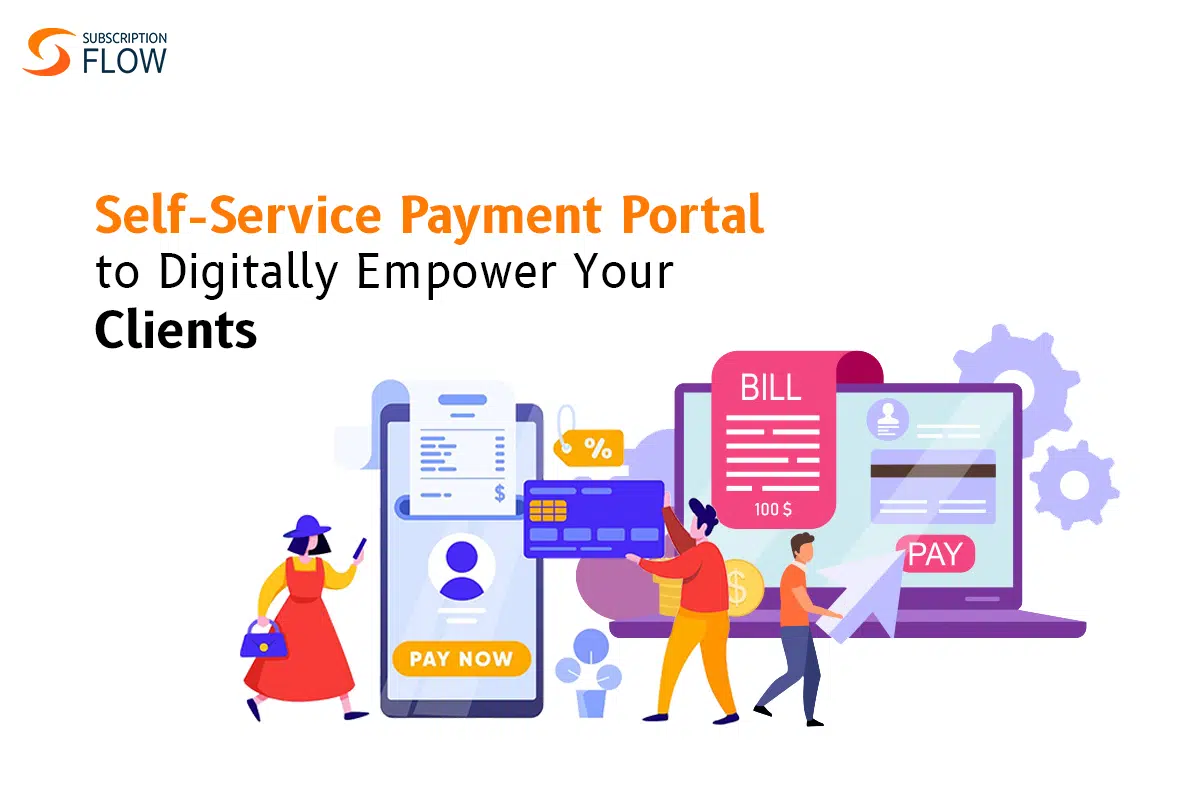
A payment portal is a secure website or app for handling payments online. It allows users to pay bills or buy products easily. The portal acts as a link between the customer and the seller.
Its main purpose is to make transactions safe and fast. Payment portals encrypt your payment information to prevent theft. They also help businesses manage payments and keep records automatically.
Common Examples
Popular payment portals include PayPal, Stripe, and Square. These platforms let you pay online at many stores and services. Utility companies and banks also offer portals for bill payments and account management.
Using these portals, customers can view bills, update information, and make payments anytime. Businesses benefit from automated billing and faster payment processing. These examples show how payment portals fit into daily life.
Credit: www.subscriptionflow.com
Key Features
A payment portal offers several key features that make paying bills and managing accounts simple and safe. These features work together to provide a smooth experience for both customers and businesses. Understanding these features helps users see the value of using a payment portal for their transactions.
Secure Transactions
Payment portals protect your payment information using encryption. This means your data is converted into a code during transmission. Only authorized parties can access it, keeping your details safe from hackers. The portal also verifies payments with card providers to prevent fraud. This secure process builds trust between customers and businesses.
Self-service Options
Customers can manage payments anytime without help. They log in to view bills, check balances, and pay online. This convenience saves time and reduces the need to call customer service. Users can update their contact and payment information easily through the portal.
Account Management
The portal lets users control their account details in one place. People can add or remove payment methods and track past transactions. Managing subscriptions or payment plans is also simple. This feature helps users stay organized and avoid missed payments.
Automated Billing
Payment portals send automatic reminders about upcoming bills. They post payments directly to accounting systems for faster processing. This automation reduces manual tasks for businesses and speeds up cash flow. It ensures bills are paid on time and records stay accurate.
How Payment Portals Operate
Understanding how payment portals operate helps clarify their role in online transactions. Payment portals manage every step from customer input to transaction confirmation. They ensure security and smooth processing throughout.
Each stage in a payment portal involves specific tasks. These tasks work together to complete payments quickly and safely. Let’s explore these key stages in detail.
Customer Interaction
Customers start by logging into the portal. They enter payment details such as card numbers or bank accounts. The portal may also let users view bills and update information. This interface is simple to use and accessible anytime. It guides users through the payment steps clearly.
Data Encryption And Authorization
Once payment data is entered, the portal encrypts it. Encryption protects sensitive information from hackers. The encrypted data is then sent to the payment gateway. The gateway verifies the payment details with the bank or card provider. Authorization confirms if funds are available and approves the transaction.
Payment Processing
After authorization, the portal processes the payment. It transfers money from the customer’s account to the merchant’s account. Processing speed depends on the payment system used. Some transactions complete in seconds, others may take longer. The portal also updates records to reflect the payment.
Transaction Confirmation
The final step is confirming the transaction. The portal sends a receipt or confirmation message to the customer. This confirmation ensures the payment was successful. It also updates the customer’s account information. Confirmation helps build trust and transparency in the payment process.
Credit: acumenconnections.com
Payment Portal Vs Payment Gateway
Understanding the difference between a payment portal and a payment gateway is important. Both play key roles in online payments but serve different purposes. This section explains how each works and why they matter for businesses and customers.
What Is A Payment Portal?
A payment portal is an online platform where customers can make payments. It allows users to view bills, manage accounts, and complete transactions safely. Payment portals provide a user-friendly interface for handling financial activities. They also store payment history and offer options like subscription management.
What Is A Payment Gateway?
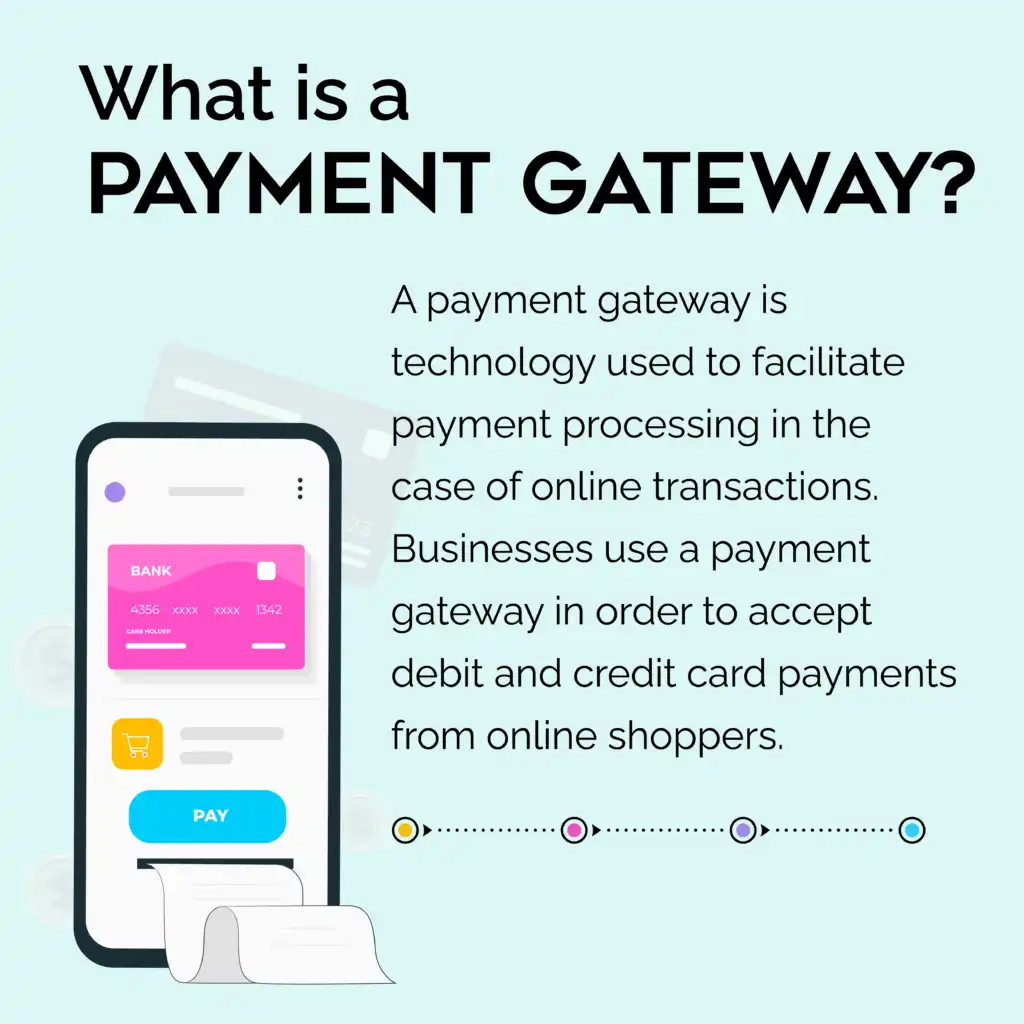
A payment gateway is the technology that processes payment information securely. It acts as a bridge between the payment portal and the bank. The gateway encrypts payment details and verifies funds. It then authorizes or declines the transaction in real time. Payment gateways ensure safe and fast payment processing.
Key Differences Between Payment Portal And Payment Gateway
The payment portal is the customer-facing site or app. It shows bills, payment options, and account info. The payment gateway works behind the scenes. It handles data encryption and communicates with banks to approve payments. Without the gateway, the portal cannot complete transactions.
Payment portals focus on user experience and account management. Gateways focus on security and transaction processing. Both work together to create smooth and secure payments online.
Benefits For Businesses And Customers
A payment portal offers clear benefits for both businesses and customers. It simplifies payment processes and strengthens financial transactions. Businesses save time and reduce errors. Customers enjoy faster, safer, and easier payments. Both parties gain from improved communication and transparency.
Efficiency And Automation
Payment portals automate billing and payment tasks. Businesses send invoices and reminders automatically. This reduces manual work and speeds up cash flow. Customers can pay bills anytime, without waiting for business hours. Automation lowers the chance of missed or late payments.
Enhanced Security
Payment portals use strong encryption to protect data. Sensitive information stays safe from hackers and fraud. Secure authentication confirms user identities before transactions. Businesses and customers both trust the safety of online payments. This builds confidence and protects financial details.
Improved User Experience
Payment portals offer easy-to-use interfaces. Customers can view bills, payment history, and update details quickly. Multiple payment options suit different preferences. Mobile-friendly designs allow payments on any device. A smooth experience encourages timely payments and customer loyalty.
Popular Payment Portal Providers
Popular payment portal providers offer simple and secure ways to accept online payments. These platforms support businesses and individuals in processing transactions quickly. Each provider has unique features that fit different needs and business sizes.
Paypal
PayPal is one of the most recognized payment portals worldwide. It supports payments from credit cards, debit cards, and PayPal accounts. Users can send money easily using just an email address. PayPal offers buyer and seller protection to increase trust. Many online stores accept PayPal for its convenience and security.
Stripe
Stripe is popular for its developer-friendly tools and flexible APIs. It helps businesses build customized payment solutions. Stripe accepts multiple payment methods, including credit cards and digital wallets. It also supports subscriptions and recurring billing. Many startups and tech companies choose Stripe for its advanced features.
Square
Square provides a complete payment ecosystem for small businesses. It offers point-of-sale hardware and online payment options. Square is easy to set up and use without complex contracts. It supports in-person and online sales with one account. Square also includes tools for inventory and customer management.
Building Your Own Payment Portal
Building your own payment portal allows you to control how customers pay online. It creates a secure space for transactions and account management. You decide the features and design that fit your business needs. This section guides you through key steps to create a reliable payment portal.
Infrastructure Setup
Start with a strong technical foundation. Choose a secure hosting service with fast servers. Use SSL certificates to protect customer data. Ensure your platform supports encryption and complies with payment security standards. Plan for scalability to handle growing user traffic and transactions.
Choosing A Payment Processor
Select a payment processor that matches your business type. Look for low fees and good customer service. Ensure it supports multiple payment methods like credit cards and digital wallets. Verify it integrates well with your platform and offers fraud protection. A reliable processor speeds up payment approval and funds transfer.
Integrating Crm Systems
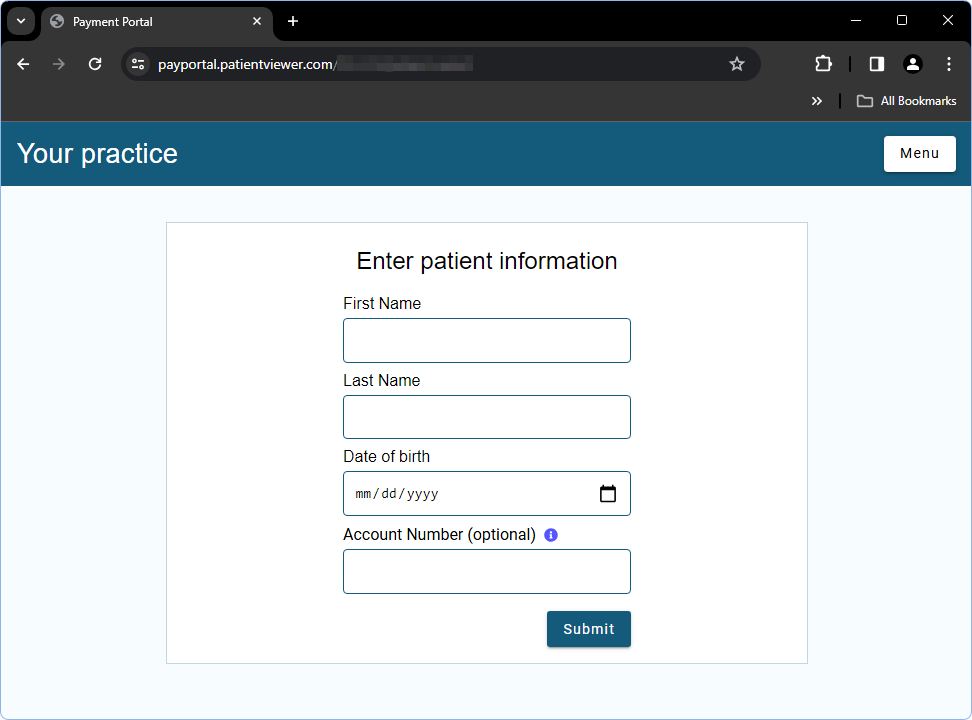
Connect your payment portal with a Customer Relationship Management (CRM) system. This integration helps track customer payments and interactions in one place. Automate invoicing, payment reminders, and account updates. It improves customer service and streamlines your workflow. Choose CRM software compatible with your portal and payment processor.
Credit: www.opendental.com
Security Measures
Security measures are vital for any payment portal. They protect sensitive data and build trust between users and businesses. Strong security helps prevent data theft and fraud. It ensures that every transaction stays safe from unauthorized access.
Encryption Standards
Encryption converts data into a secure code. Payment portals use advanced encryption like SSL and TLS. This protects card numbers and personal details during transmission. Only the intended recipient can decrypt and read the information. Encryption stops hackers from stealing data on public or private networks.
Fraud Prevention
Payment portals use multiple tools to detect fraud. These include monitoring unusual activities and verifying user identities. Systems flag suspicious payments for review or block them automatically. Two-factor authentication adds an extra layer of security. It requires users to confirm their identity with a code from their phone.
Compliance Requirements
Payment portals follow strict rules and standards. The Payment Card Industry Data Security Standard (PCI DSS) is one key requirement. It sets guidelines for handling credit card data safely. Portals must regularly audit their security systems. Compliance reduces risks and protects both customers and businesses from penalties.
Future Trends In Payment Portals
The future of payment portals points toward faster, smarter, and more secure transactions. Technology continues to evolve, shaping how users pay and manage their finances online. New trends promise greater convenience and safety for both customers and businesses.
These innovations will change the payment portal landscape. They will improve user experience and reduce risks. Here are some key trends to watch for in payment portals.
Mobile Payments
Mobile payments are becoming the norm for many users. People prefer using smartphones for quick and easy transactions. Payment portals now optimize for mobile devices, making payments simple anywhere.
Apps and digital wallets integrate directly with payment portals. This allows seamless checkout without entering card details every time. Contactless payments and QR codes also boost mobile payment popularity.
Ai And Automation
Artificial intelligence helps payment portals detect fraud more effectively. AI analyzes patterns and flags unusual behavior instantly. This reduces risks and protects users’ financial information.
Automation speeds up payment processing and customer service. Chatbots assist users 24/7 with payment issues or questions. Automated billing and reminders ensure timely payments without manual work.
Blockchain Integration
Blockchain offers transparency and security for payment portals. It creates a decentralized record of transactions that cannot be altered. This builds trust between buyers and sellers.
Some portals use blockchain to speed up cross-border payments. It reduces fees and delays caused by traditional banking systems. As adoption grows, blockchain could reshape how payment portals operate.
Frequently Asked Questions
What Is An Example Of A Payment Portal?
Examples of payment portals include PayPal, Stripe, and Square. These platforms allow secure online payments and account management.
How Do Payment Portals Work?
Payment portals securely collect customer payment details and send them to payment gateways. Gateways verify funds and transfer money to merchants. Customers receive confirmation instantly or within days. These portals also allow users to manage accounts, view bills, and make payments anytime, streamlining transactions efficiently.
What Is The Payment Portal?
A payment portal is a secure online platform where customers view bills, manage accounts, and make electronic payments easily and safely.
How To Create A Payment Portal?
To create a payment portal, choose a payment gateway, design a secure website, integrate payment APIs, and test transactions thoroughly.
Conclusion
A payment portal makes paying bills and managing accounts simple. It keeps your information safe with strong security. You can pay anytime, from anywhere, without waiting. Many companies use these portals to save time and reduce errors. Popular examples include PayPal, Stripe, and Square.
Understanding how payment portals work helps you use them with confidence. They connect buyers and sellers smoothly for quick, easy payments. This tool fits well in today’s digital world, making transactions faster and hassle-free.